
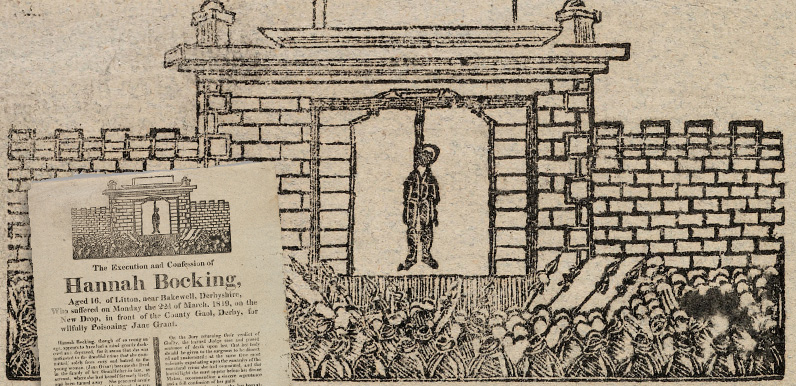
In the summer of 1818, the bones of Anthony Lingard still hung in their iron cage at Wardlow Mires – a grim reminder of where crime could lead. But they did nothing to deter a 16-year-old girl from Litton, who chose that very spot to poison her friend.
Hannah Bocking had once lived as a servant in the household of her step-grandfather. She was turned away – reputedly because of her ‘unamiable temper and disposition’ – and the place went instead to another local girl, Jane Grant. Hannah hid her resentment and kept up a show of friendship with Jane. But in secret she began to plan her revenge.
Buying the poison
About ten weeks before the murder, she went to a surgeon in the neighbourhood and asked for arsenic, saying her grandfather needed it to kill rats. Told it wouldn’t be sold to her alone, she persuaded a young man to go with her, and came away with the poison.
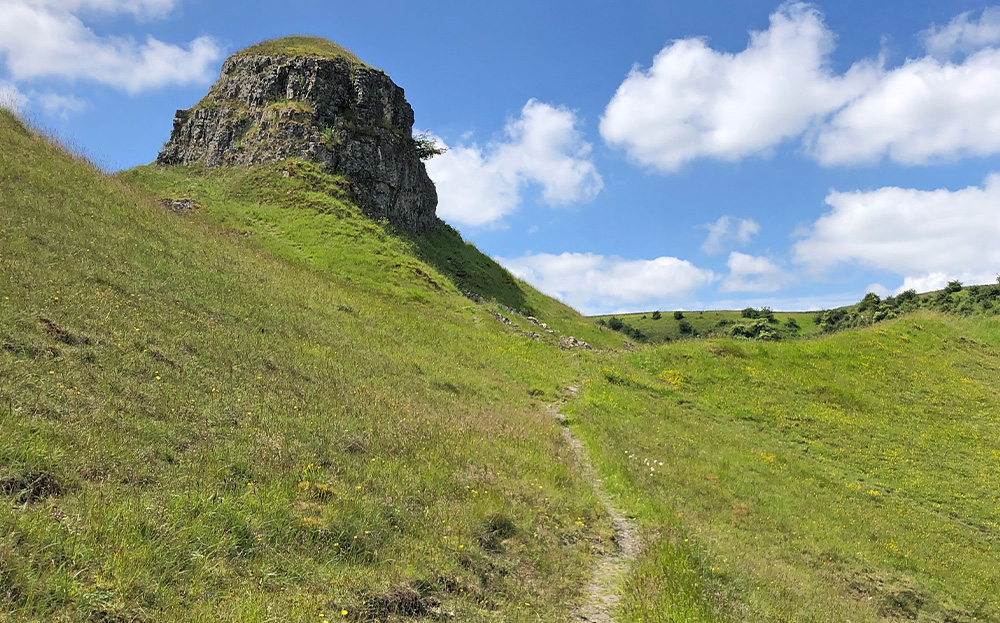
Above: Peter’s Stone sits on the approach to Wardlow Mires – it was near here that Hannah gave Jane the arsenic-laced cake.
She baked the arsenic into a spice cake. Then, one day in the summer of 1818, the two girls went to fetch cattle from a field at Wardlow Mires – within sight of Lingard’s gibbet.
There Hannah offered Jane the cake. Jane thanked her and ate it, suspecting nothing, but was soon seized by violent pains. She died in agony – though not before telling her family that the cake had caused her suffering.
Jane was buried at Tideswell. In the parish register, the vicar recorded that she had been poisoned with arsenic – and named the girl who had done it.
Trial and confession
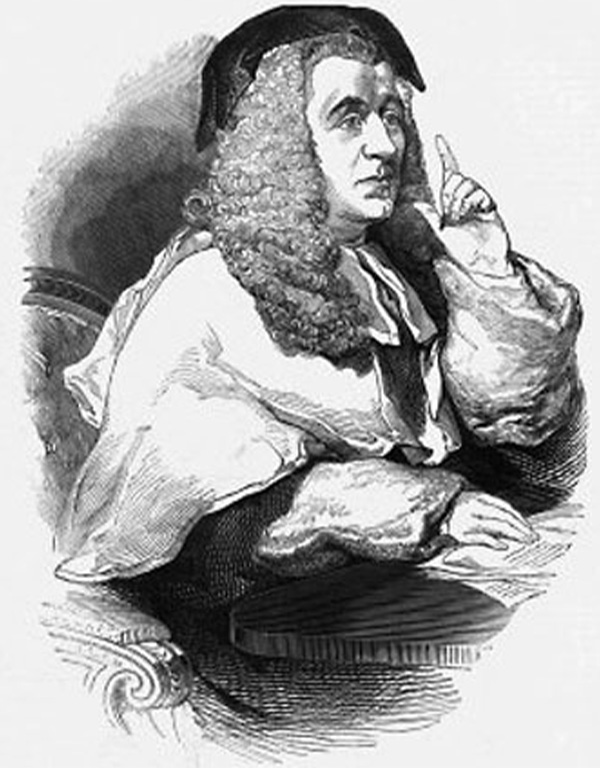
Hannah was arrested and held for six months in the county gaol in Friar Gate, Derby, until the Lent Assizes of March 1819. Jane’s dying words were read in court, and the jury had little difficulty reaching a verdict.
During the long wait and the trial, Hannah showed no remorse, and she even tried to shift the blame onto her brother and sister-in-law. She heard the sentence of death on Friday 19 March without any sign of emotion.
But on the journey back to the gaol she broke down, and wept for hours. She then confessed everything to a lady visitor, clearing her family and declaring that she alone was guilty.
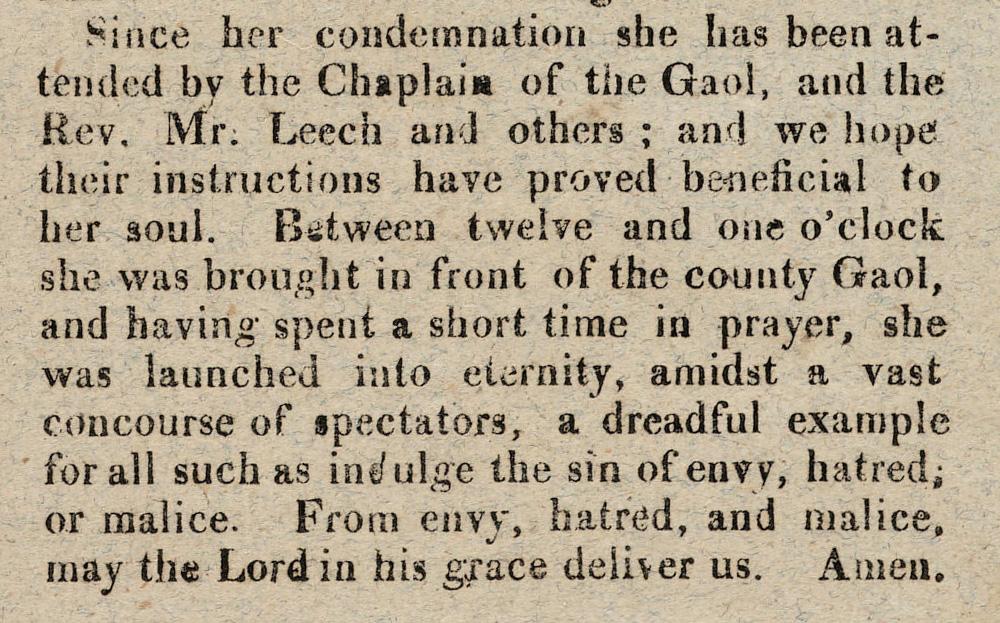
Above: An extract from the broadsheet sold at Hannah’s execution, describing her last moments in front of the county gaol.
The hanging
Between noon and one o’clock on Monday 22 March 1819, Hannah was led out in front of the gaol and onto the gallows before a huge crowd. After a short time in prayer, she was hanged.
One onlooker reported a shudder running through the crowd. Few felt sympathy for her, he wrote, but many were horrified that one ‘so young should have been so guilty, and so insensible’.
Unlike Lingard, Hannah’s body was not hung in chains. Instead, as the law then required for murderers, it was handed to the surgeons for dissection – despite her friends’ pleas to be allowed to bury her.
She is thought to be the youngest girl executed in England in the 19th century. The condemned cell where she spent her last days still survives beneath the old gaol in Friar Gate.

Reference sources:
The story of Anthony Lingard and Derbyshire’s last gibbet, whose remains still hung at Wardlow Mires when Jane Grant was poisoned.
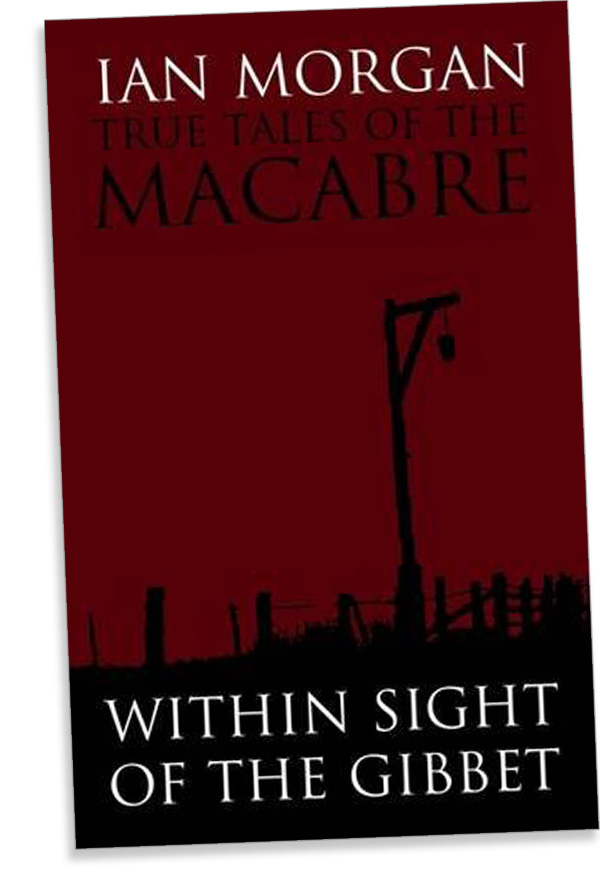
Ian Morgan’s Within Sight of the Gibbet tells the story of both murders – drawing on previously unpublished records.
Hannah Bocking: Executed Today – Hannah Bocking, with the 1819 broadsheet | All Things Georgian – Two murders in a Derbyshire village
Visiting: Derby Gaol – the old Friar Gate gaol and condemned cell
(Details of the story differ between accounts and historical records.)
Walks that pass here: