A 6-mile walk across the White Peak from a once-busy Victorian railway station to Britain’s highest Neolithic burial tomb where our ancient ancestors once buried their honoured dead.
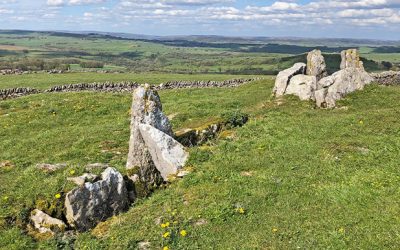

A 6-mile walk across the White Peak from a once-busy Victorian railway station to Britain’s highest Neolithic burial tomb where our ancient ancestors once buried their honoured dead.
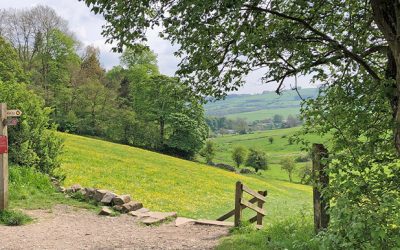
A very easy 4-mile circular walk from Monsal Head to Ashford with an option to enjoy the wonderful views from the Iron Age settlement at Fin Cop, perched high above Monsal Dale.
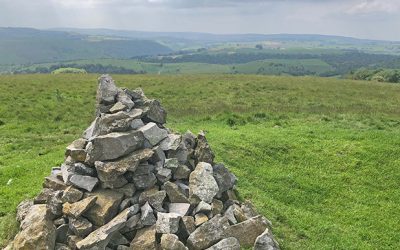
There are some wonderful views on this 6-mile walk from Monsal Head up to the site of a Bronze Age burial mound at the highest point of Longstone Moor, before returning through Great Longstone.
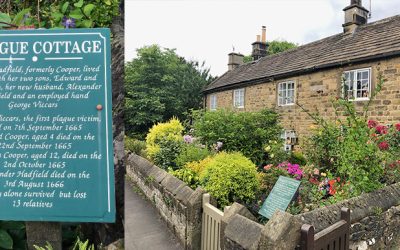
At 11 miles this walk from Hassop Station to the plague village of Eyam is one of the longest in the series, but also one of the most fascinating, featuring a highwayman, film star and heroic vicar.
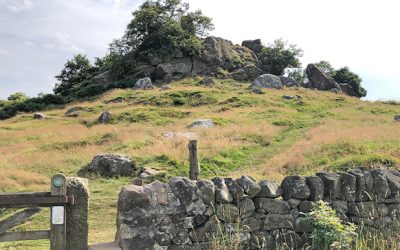
This 14 mile walk from Bakewell includes two Neolithic stone circles, a hermit’s cave, one of Derbyshire’s most historic country houses, and the bizarre rock carvings of an eccentric 18th century vicar.
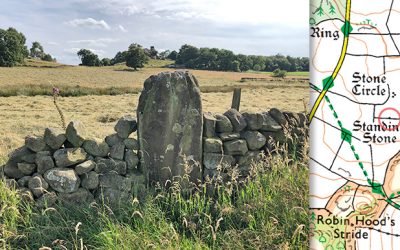
Lying close to Robin Hood’s Stride, the Grey Ladies Stone Circle once boasted nine standing stones. Five have been removed over the millennia, but the four remaining are the tallest in Derbyshire.
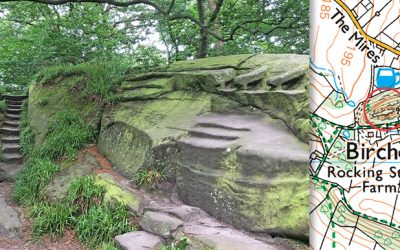
The bizarre carvings at Rowtor Rocks – including thrones, altars, steps and prehistoric-style symbols – are the work of an eccentric Birchover Rector who also seems to have been a practicing Druid.
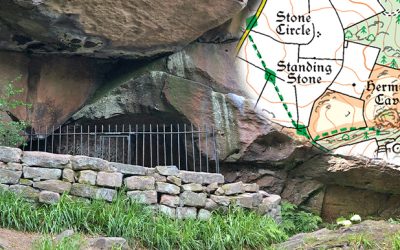
The recently-posted 14-mile walk from Bakewell to Robin Hood’s Stride passes a medieval hermit’s cave with a crude carving of the crucifixion dated to the late 14th century.
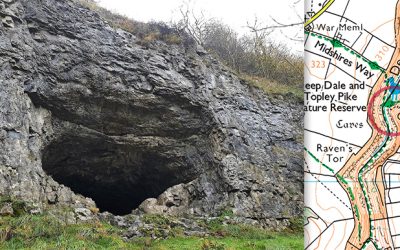
Thirst House Cave lies beside the path from King Sterndale across Deep Dale. It’s one of many similar caves in the White Peak’s limestone landscape where our ancient ancestors once found shelter.
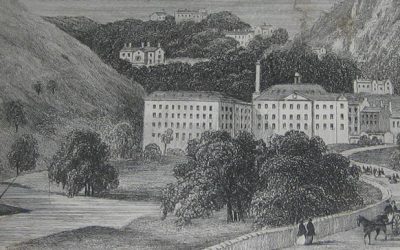
Cressbrook Mill escaped the fearful reputation of Litton Mill. But an eight-year-old girl snatched from a Bristol workhouse wrote a searing account of how ‘Tom the Devil’ ruled with a rod of iron.
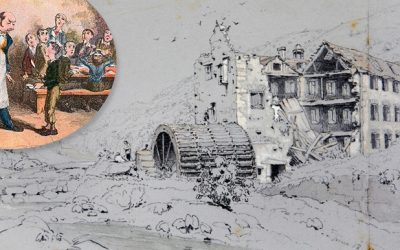
Litton Mill earned a brutal reputation for the exploitation and ill treatment of pauper orphans taken by force from the streets of cities as far away as London to work long hours in dangerous conditions.
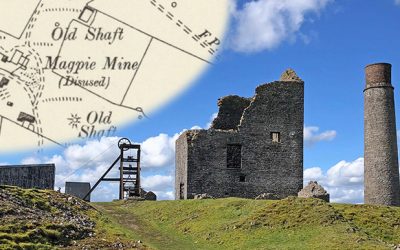
Magpie Mine was Derbyshire’s last lead mine, finally closing in 1953. It was the site of three murders in 1833, and a widow’s curse which foretold yet more deaths and accidents to come.
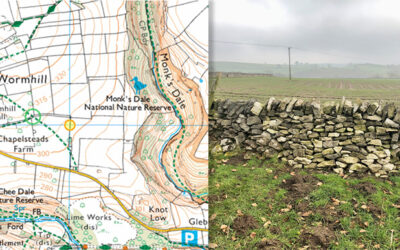
A recent walk along Monk’s Dale set me wondering whether medieval monks really did once live and work in this wonderfully tranquil spot, seeking to escape the cares of the world.